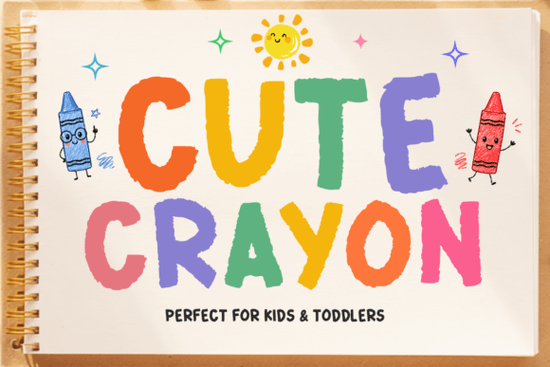
If you're looking for a friendly, hand-drawn font that feels like it came straight from a child’s art box Cute Crayon Font is exactly what you need. It’s not overly polished or digital-perfect. Instead, it leans into charming imperfections: slight wobbles, uneven edges, and that soft, waxy texture you’d get from pressing a real crayon onto paper. That makes it especially well-suited for early learning materials, baby shower invites, nursery wall art, classroom posters, and playful branding for small businesses focused on kids’ products.
What makes Cute Crayon Font work so well for kid-friendly projects?
First, its weight and shape are intentionally chunky great for readability at smaller sizes on printed flashcards or large-scale wall decals. Second, the irregular baseline and subtle variations between letters mimic how a young child might write, giving designs an authentic, warm, and inclusive feel. You’ll notice it doesn’t try to look “professional” in the traditional sense and that’s its strength. It’s meant to feel approachable, joyful, and full of personality not stiff or formal.
This isn’t just a novelty font. Teachers use it for sight-word charts. Print-on-demand sellers apply it to toddler t-shirts and reusable lunchbox labels. Crafters layer it over watercolor backgrounds for greeting cards or sticker sheets. Even small businesses selling organic baby skincare or wooden toys choose Cute Crayon Font to reinforce a gentle, handmade aesthetic across packaging and social media graphics.
How does it compare to other hand-drawn display fonts?
While many display fonts aim for whimsy, Cute Crayon Font stands out because it balances legibility with texture. Fonts like Zombie Crumsy Font lean into messy, chaotic energy ideal for Halloween or edgy teen designs but may be too busy for preschool materials. Bold Super Font gives strong impact but lacks the softness needed for baby-related content. Meanwhile, Sugar Groovy Font has bounce and rhythm, but reads more like candy than crayons better for birthday parties than daily classroom use.
For contrast, Rune Fate Font brings fantasy and mystery, while Harvest Mango Font offers sunny, rounded charm but neither replicates that tactile, crayon-on-paper warmth. That’s where Cute Crayon Font fills a specific, practical gap.
Where do designers actually use this font?
- Classroom resources: Alphabet posters, emotion charts, name tags, and behavior reward certificates all benefit from its friendly, non-intimidating style.
- Print-on-demand products: It scales well on onesies, tote bags, and enamel pins without losing character even when simplified for embroidery or vinyl cutting.
- Digital tools: Works smoothly in Canva, Adobe Illustrator, and Procreate (with proper OTF installation). The uppercase-only version keeps things clean for short headlines; the lowercase alternates add variety for longer phrases.
- Nursery and baby brands: Paired with muted pastels or natural linen textures, it helps convey care, simplicity, and playfulness without feeling cutesy or outdated.
One thing to keep in mind: because of its textured edges, avoid using it at very small sizes (under 14pt) in body text or fine print. It shines best as a display font headlines, titles, signs, and focal points not paragraphs.
A few practical tips before you download
Check the file format included most Creative Fabrica listings offer both OTF and TTF, plus web-ready WOFF if you plan to use it on a Shopify store or portfolio site. Also look for bonus extras: some versions include matching doodle elements (stars, hearts, scribbles), which help unify your design without needing extra graphics.
If you’re building a brand identity around early childhood, consider pairing Cute Crayon Font with a clean, simple sans-serif for supporting text something like Poppins or Nunito. That contrast keeps things readable while letting the crayon style stay the star.
Finally, remember that fonts like this carry tone as much as function. Using Cute Crayon Font signals warmth, accessibility, and intentionality not just “kid stuff,” but thoughtful communication for developing readers and their caregivers.
Before you go: Try sketching a quick mockup like a “First Day of Preschool” banner or a set of alphabet flashcards using only Cute Crayon Font and two colors max. See how far the texture and shape carry the mood on their own. That’s often the best test of whether it fits your project’s voice.
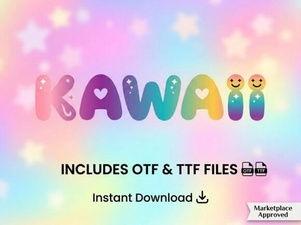 Kawaii Font: Playful & Creative Design Ideas
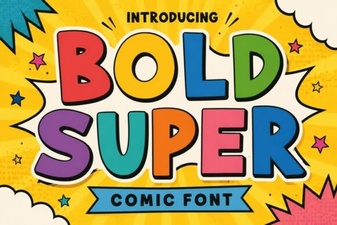 Bold Super Font: Creative Typography for Impactful Design
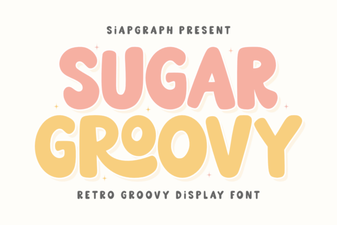 Sugar Groovy Font: Playful Design Inspiration
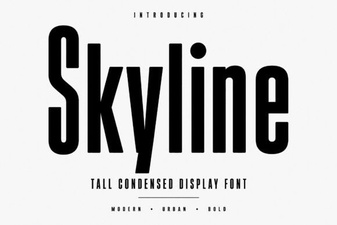 Skyline Font: Bold Design Ideas for Creative Projects
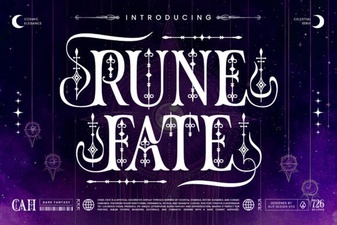 Rune Fate Font: Creative Typography for Mythic Designs
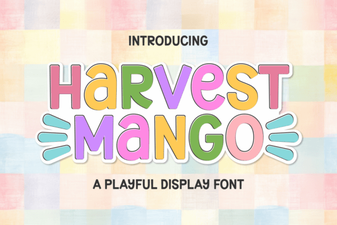 Harvest Mango Font: Creative Design & Project Ideas