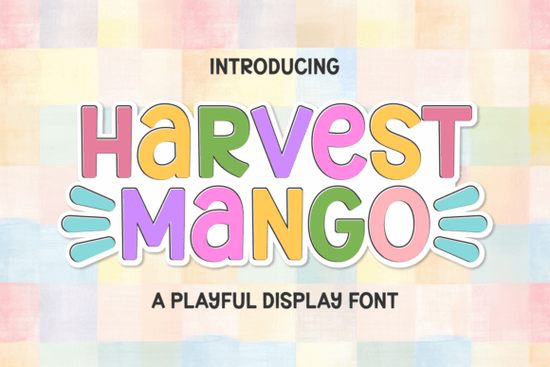
If you're looking for a friendly, summery display font that works just as well on a handmade sticker as it does on a boutique t-shirt or classroom poster, Harvest Mango Font fits the bill without feeling overdesigned. It’s not overly decorative, but it’s unmistakably cheerful think ripe mangoes, sun-bleached towels, and handwritten chalkboard signs at a farmers’ market. This isn’t a font meant for body text or formal reports. It’s made for moments where personality matters: a small business logo, a teacher’s welcome banner, or a baby shower invitation that feels warm and personal.
What kind of projects is Harvest Mango best for?
Because it’s thick, slightly rounded, and hand-drawn in feel, Harvest Mango holds up beautifully at medium to large sizes even on textured surfaces like canvas tote bags or matte-finish tumblers. Its weight gives it presence on stickers and planner inserts, while its playful curves keep it from feeling stiff or corporate. You’ll find it especially useful for:
- Summer-themed merchandise (think lemonade stands, beach rentals, or tropical gift shops)
- Early childhood education materials name tags, reward charts, or classroom labels
- Small-batch branding: bakery logos, craft fair signage, or Etsy shop headers
- Scrapbooking accents and printable party kits where warmth and approachability matter
How does it compare to other casual display fonts?
Unlike tightly spaced, ultra-modern slab fonts, Harvest Mango breathes. Its letterforms have gentle inconsistencies like real handwriting which help it stand out among more uniform options. If you’ve used Bold Super Font, you’ll notice Harvest Mango trades sharpness for softness. Compared to Kawaii Font, it’s less cutesy and more grounded still joyful, but with a subtle maturity that suits small businesses and educators alike. And while Playful Slab Font leans into bold geometry, Harvest Mango feels lighter, airier, and more organic closer in spirit to American Vibe Font, but with warmer, fruit-inspired curves.
Does it work for professional-looking branding?
Yes but with intention. Because it’s a display font, it shines most when paired with a clean, neutral sans-serif for supporting text (like headings + body copy). A local yoga studio might use Harvest Mango for “Summer Solstice Flow” on a poster, then switch to a simple sans for date, time, and location. A baby boutique could feature it on onesie designs or packaging tags, while keeping website navigation and product descriptions in something more legible at small sizes. The key is contrast: let Harvest Mango do the emotional lifting, and lean on simpler fonts for clarity.
What’s included in the download?
You get the full uppercase and lowercase alphabet, numerals, standard punctuation, and basic accented characters (like á, é, í). It’s a single OTF file no complicated install process and works in Cricut Design Space, Silhouette Studio, Adobe Creative Cloud apps, and Canva (uploaded as a custom font). No ligatures or alternate glyphs, which keeps things straightforward if you’re designing quickly or sharing files with others who may not have the font installed.
Who’s using it right now?
We’ve seen crafters use Harvest Mango for printable back-to-school planners, small-batch candle labels with names like “Sunset Mimosa” or “Coconut Breeze,” and even wedding seating charts with a relaxed, garden-party vibe. Teachers print it on laminated flashcards for phonics lessons, and POD sellers pair it with watercolor textures for nursery wall art. One customer told us they used it for a “Welcome to Kindergarten!” banner and parents kept asking where they’d gotten the font. That’s the quiet strength of it: recognizable, but not generic.
If you want something with similar energy but different flavor, you might also explore American Vibe Font, Bold Super Font, or Kawaii Font. Each brings its own rhythm and context but Harvest Mango remains one of the most balanced choices for lighthearted, human-centered design.
Before you download: Try it at three sizes 24pt, 48pt, and 96pt in your actual design software. See how spacing feels with your chosen background color and texture. If letters seem too tight or too loose in your layout, adjust tracking manually. And remember: this font earns its keep when it’s seen, not read so save it for places where mood matters most.
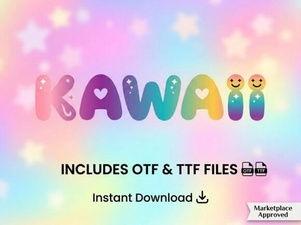 Kawaii Font: Playful & Creative Design Ideas
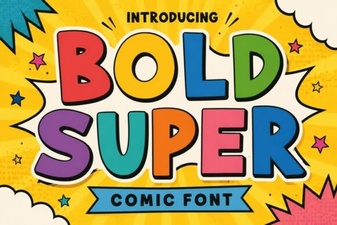 Bold Super Font: Creative Typography for Impactful Design
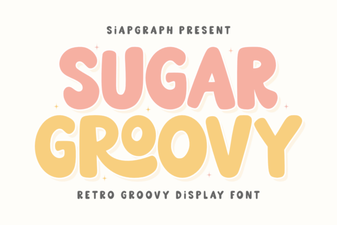 Sugar Groovy Font: Playful Design Inspiration
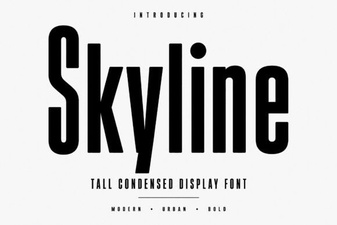 Skyline Font: Bold Design Ideas for Creative Projects
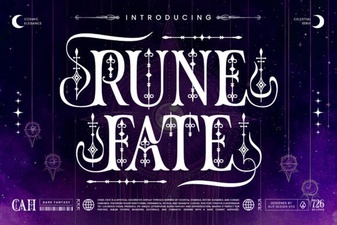 Rune Fate Font: Creative Typography for Mythic Designs
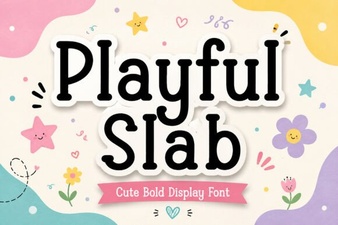 Playful Slab Font: Creative Design Ideas