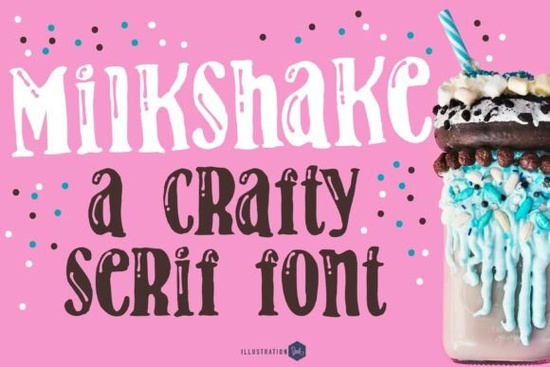
If you're looking for a friendly, hand-crafted serif font that feels like a scoop of strawberry swirl on a warm summer day, the Milkshake Family Font fits the bill. It’s not overly polished and that’s the point. Designed with intentional imperfections, it brings warmth and personality to projects where charm matters more than crisp uniformity. Think handmade bakery signs, kids’ birthday posters, or Instagram posts for a small-batch dessert shop. It’s one of those fonts that doesn’t shout, but still makes people pause and smile.
What makes Milkshake different from other decorative serifs?
Most playful serif fonts lean into either retro diner kitsch or cartoonish exaggeration. Milkshake sits somewhere in between grounded in real-world texture. Its letterforms are thick and bouncy, with subtle “light reflection slots” carved into curves (like light catching the edge of a glass milkshake cup). The outlines aren’t machine-perfect; they’re irregular, as if snipped by hand from paper or wood. That gives it a tactile, approachable quality especially useful if you’re building a brand identity for an indie confectionery, a local ice cream truck, or a children’s activity center.
You’ll notice it works especially well at larger sizes: logos, banners, social media headers, and printable party invites. It’s less suited for long paragraphs or fine print and that’s intentional. This is a display font, meant to set tone and mood, not carry dense information.
Who’s using Milkshake right now and why?
A growing number of small business owners and crafters are choosing Milkshake because it helps them stand out without feeling gimmicky. For example:
- A Portland-based milkshake bar used it for their storefront sign and menu board customers regularly comment on how “it looks like something you’d see in a 1950s soda fountain, but fresh.”
- A print-on-demand seller layered it over pastel watercolor backgrounds for digital party kits sales jumped 30% after switching from a generic rounded sans-serif.
- A freelance designer paired it with Salmine Font for a client’s boutique cookie brand: Salmine handled body text and product labels, while Milkshake anchored headlines and packaging accents.
It also pairs surprisingly well with cleaner, more structured serifs like Regalic Miracle when you want contrast without clashing. And if your project leans more romantic or delicate, Lovely Amelia offers a gentle counterpoint for invitations or gift tags.
How to use Milkshake without overdoing it
Because it’s so expressive, Milkshake benefits from thoughtful restraint. Here’s what works:
- Use it for one key element per layout a logo wordmark, headline, or banner. Avoid stacking it with other heavy display fonts.
- Give it breathing room. Pair it with generous line spacing and simple, uncluttered backgrounds think soft creams, mint greens, or pale pinks.
- Test readability early. At smaller sizes (under 24pt), some characters like lowercase ‘a’ or ‘g’ lose clarity. Stick to headlines, signage, or large-format prints.
- Try layering. Many users get great results by placing Milkshake over subtle textures linen paper scans, light grain overlays, or even faint hand-drawn doodles.
If you’re curious about how it compares to similar fonts, Milkshake font has been trending among food-and-family creatives for its balance of nostalgia and modern usability. It’s not trying to be everything just the right kind of sweet, every time.
Before you download: A quick checklist
- ✅ You need a display font not body text.
- ✅ Your project benefits from warmth, playfulness, or handmade charm.
- ✅ You’re okay limiting it to headlines, logos, or large-format visuals.
- ✅ You’ve considered pairing it with a simpler companion font like Milkshake Family Font itself (which includes alternates and ligatures) or a neutral serif for supporting text.
- ❌ You don’t need multilingual support or extensive OpenType features Milkshake focuses on English-language Latin characters with strong stylistic consistency.
Once you’ve confirmed those points, go ahead and test it in your next mockup. Try it on a chalkboard-style poster, a sticker sheet, or even a simple Canva story template. If it makes your design feel more like you relaxed, sincere, and just a little indulgent then you’ve found your match.
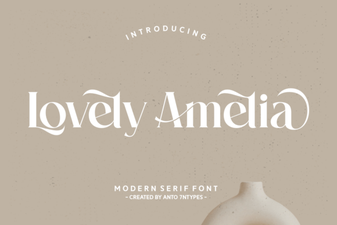 Lovely Amelia Font: Elegant Design & Creative Uses
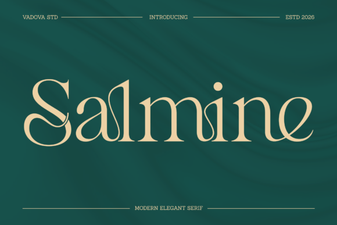 Salmine Font: Elegant & Versatile Design Tool
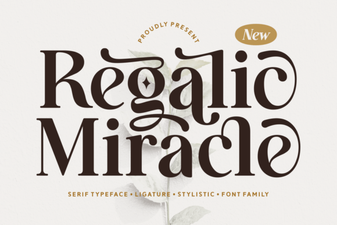 Regalic Miracle Font: Creative Design Inspiration
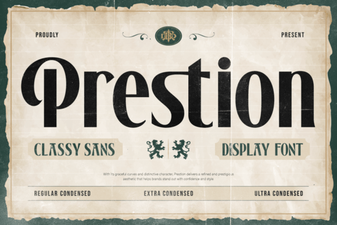 Prestion Font: Elegant & Versatile Design Tool
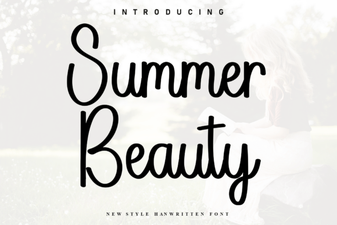 Summer Beauty Font: Creative Design Ideas
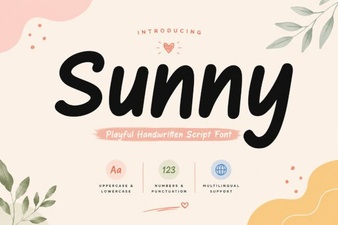 Sunny Font: Bright, Friendly Typography for Creative Projects